
Ugly But Adorable Pets (Why We Love Weird Animals So Much)
This article may contain affiliate links. If you make a purchase through these links, we may earn a small commission at no extra cost to you.
Some pets fit the classic idea of cute immediately. Others look a little strange, a little dramatic, or permanently confused. And somehow, those are often the animals people remember most.
Hairless cats, dogs with tongues that never seem to go back in, wrinkled faces, giant ears, and grumpy expressions all break the usual rules of pet beauty. That difference is exactly what makes them lovable for so many owners. Once people understand the biology behind those looks, the pets often become even more interesting.
The pets that look the most unusual often end up feeling the most unforgettable.
What this guide covers: why “ugly-cute” pets are so appealing, what kinds of breeds fit that label, and how to choose one for real life instead of internet novelty.
A Quick Tour Through Weird Pet Charm


Why Do People Love “Ugly” Pets?
There is a real emotional pull behind unusual-looking pets. Humans are drawn to faces and expressions that feel distinctive, vulnerable, funny, or imperfect. When a pet looks different, it often feels more memorable and more personal.
In a world full of polished photos and idealized animals, a pet with wrinkles, bulging eyes, a crooked smile, or a permanently surprised face can feel more real. That authenticity matters to people more than they expect. There is also a psychological effect here: unusual facial features make us look longer, and the longer we look, the more personality we tend to assign.
- Distinctive faces are easier to remember and bond with
- Funny expressions make pets feel full of personality
- Imperfections often make people feel more protective and connected
Hairless Cats and Unusual Faces: Strange at First, Sweet Very Quickly
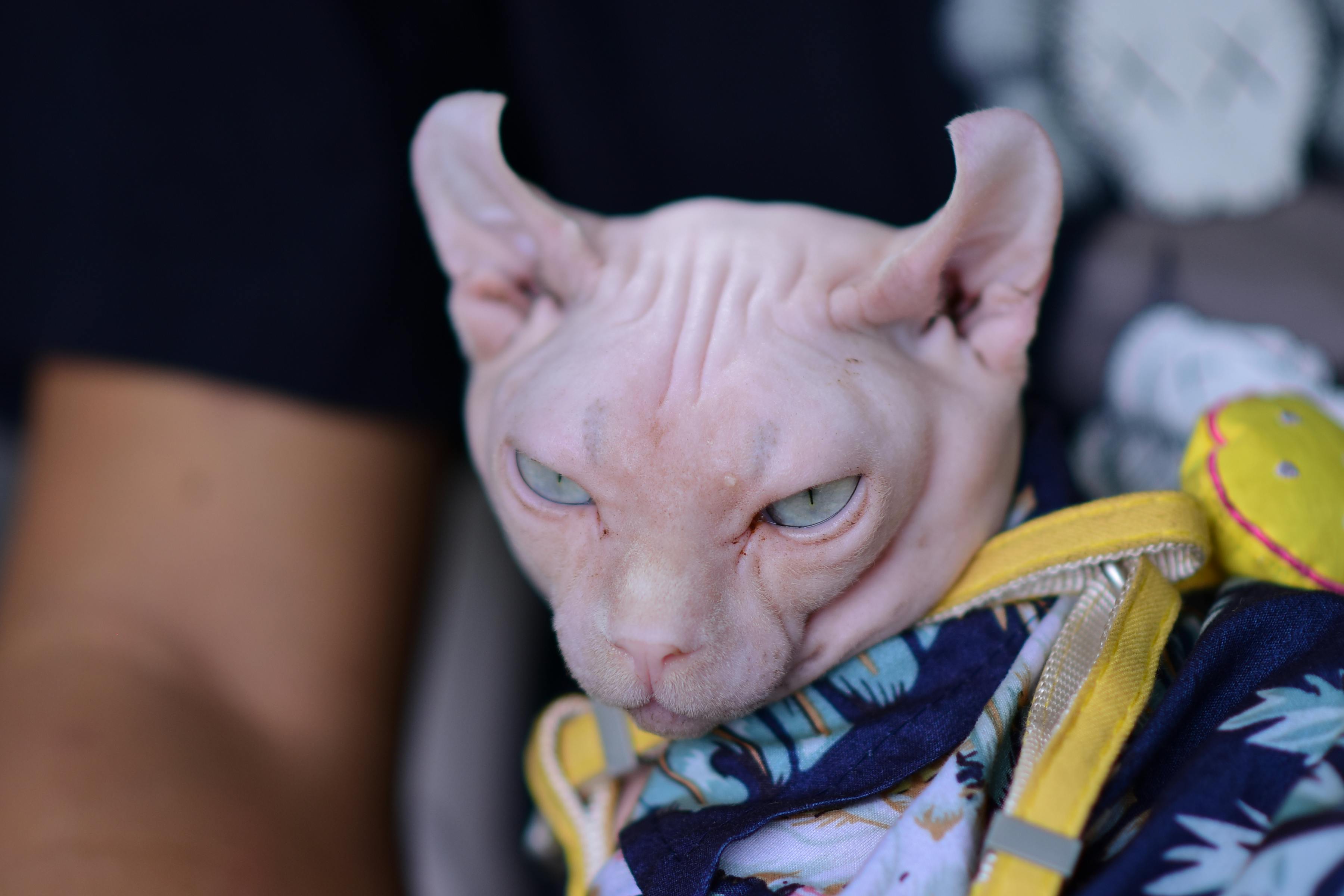
Cats with unusual faces are some of the strongest examples of the ugly-cute idea. Flat faces, wide-set eyes, heavy expressions, and dramatic features can make the first reaction surprise instead of instant “aw.” Hairless cats add another layer because people are so used to connecting “cat” with soft fur that the missing coat makes the whole face and body look more intense.
But once people spend time around them, the reaction changes fast. Whether the cat is hairless, flat-faced, or naturally grumpy-looking, the unusual appearance usually gives way to personality very quickly. Many owners say the same thing: after a few days, they stop seeing “weird” and start seeing only a very social, expressive animal.
The best-known hairless cat is the Sphynx. The breed traces back to a natural genetic mutation that affects the coat, and breeders later developed the line carefully from those naturally hair-reduced cats. In other words, Sphynx cats did not come from someone shaving a cat or creating a gimmick overnight. They come from a real genetic trait that people selectively preserved.
That missing coat changes more than appearance. Fur normally helps with insulation, sun protection, and the way body shape is visually softened. Without it, the cat's muscles, wrinkles, ears, whisker pads, and skin folds are easier to see. That is why hairless cats can look almost sculpted. It is also why they usually need extra warmth, regular skin care, and more attention to sun exposure than coated cats.
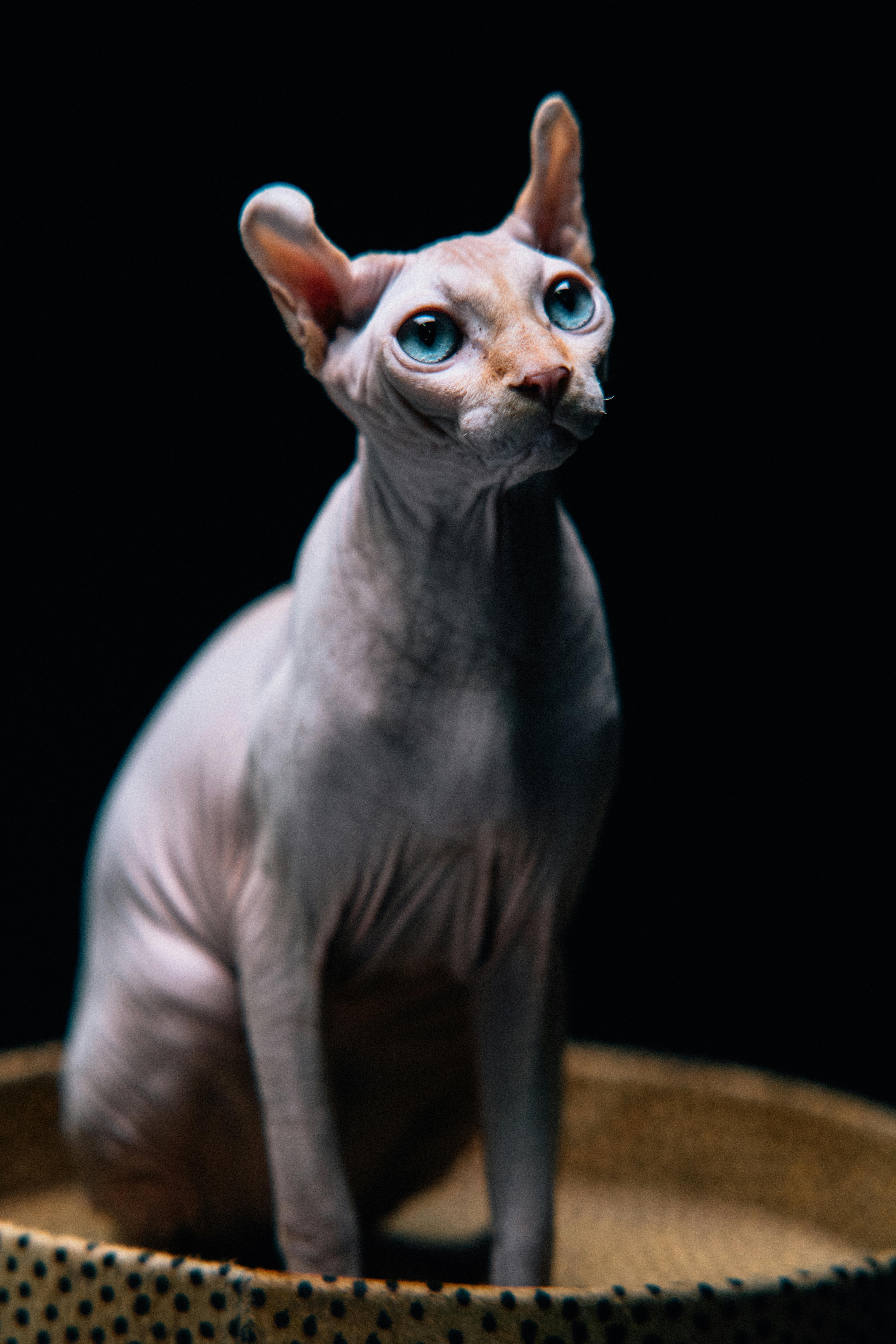
Hairless and dramatic-faced cats often go from “that looks so strange” to “I kind of love it” in one conversation because the face feels almost human in how expressive it looks.
Fun fact: Sphynx cats are not truly maintenance-free because they have no coat. Skin oils that would normally be absorbed by fur stay on the body, which is one reason these cats may need more cleaning than people expect.
Care reminder: unusual appearance never means low care. Hairless pets often need extra attention to skin, warmth, bathing, and sun exposure.
Dogs With Tongues Out: Accidental Comedy Icons
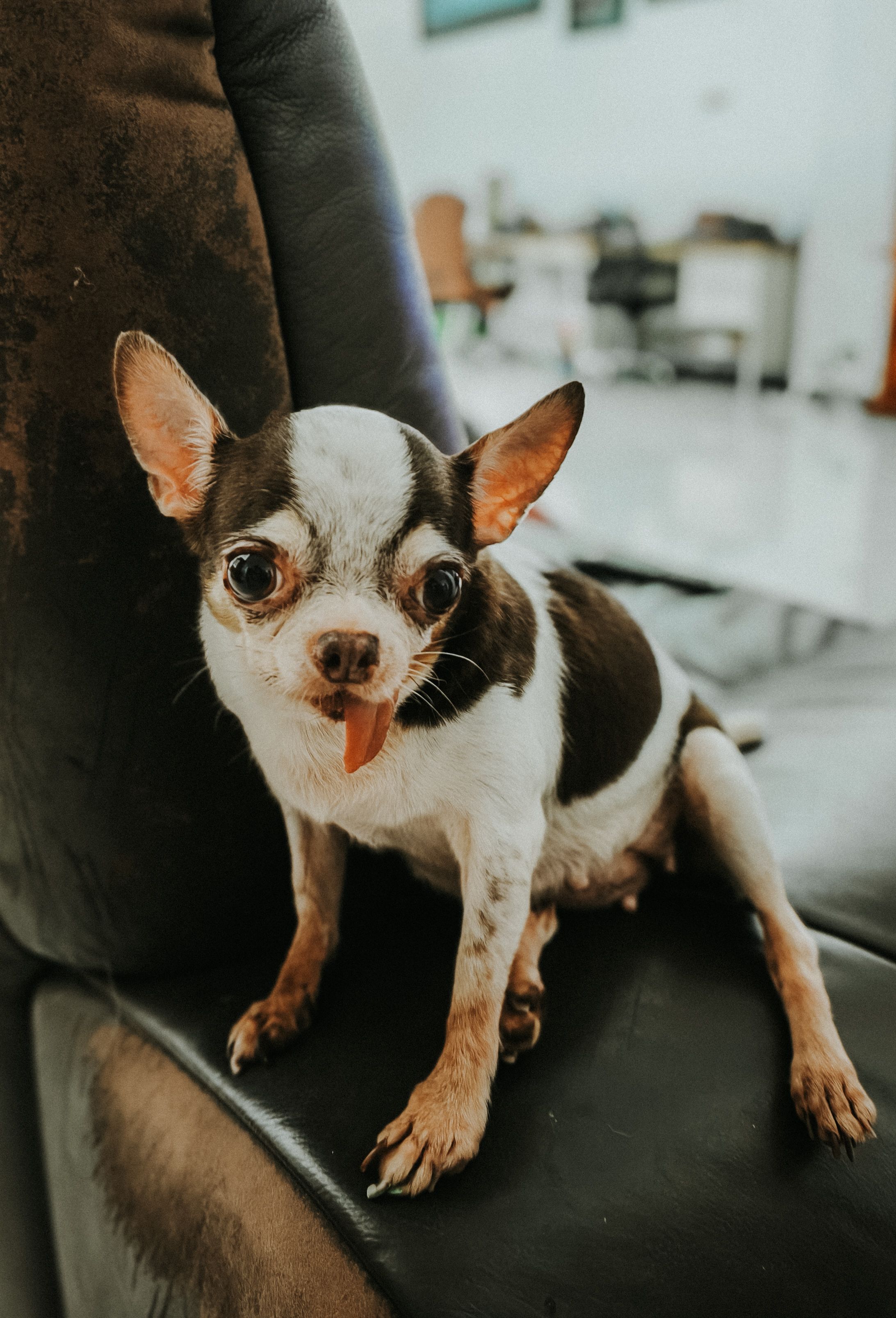
Some dogs become famous for a look they did not even try to create. A tongue that hangs out because of jaw shape, missing teeth, or breed structure can make a dog look permanently goofy and weirdly charming at the same time.
That constant expression reads as playful and happy to humans, which helps explain why these dogs do so well online and in family photos. Pugs, Brussels Griffons, and other short-faced dogs often fit this category. Scientifically, the tongue-out look is not always “just personality.” Sometimes it is related to anatomy.
A dog may keep its tongue out because the jaw is short, the mouth does not fully contain the tongue comfortably, or some teeth are missing and no longer help keep the tongue in place. Small breeds and flat-faced breeds are especially likely to show this because their skull shape compresses the mouth structure. In older dogs, dental disease or tooth loss can make the tongue slip forward more often.
Could it be illness? Sometimes, yes. If a dog suddenly starts hanging its tongue out when it never did before, or if the tongue-out look comes with drooling, trouble eating, bad breath, swelling, heavy panting, or lethargy, that can point to dental pain, oral injury, overheating, or another medical problem. A long-term harmless “blep” is one thing. A new change in mouth position is worth paying attention to.

A silly expression can make a dog look unforgettable, but the story behind it may involve breed anatomy, missing teeth, or simple heat regulation, not just “being funny.”
- If the tongue-out look has always been there, it may just be normal anatomy
- If it appears suddenly, check teeth, gums, appetite, and energy
- If the dog is panting hard, overheating may be the real issue
Fun fact: pet owners often call the tiny tongue-out look a “blep.” It looks funny to us, but in many pets it is simply a small mismatch between tongue size, jaw shape, and how the lips rest at ease.
The Breeds People Call “Ugly-Cute” Most Often
No breed is truly ugly in a meaningful way, but some are brought up again and again in ugly-cute conversations because their looks are so distinctive.
- Sphynx cats
- Chinese Crested dogs
- Xoloitzcuintli dogs
- Brussels Griffons
- Pugs and other flat-faced dogs
- Flat-faced or grumpy-looking cats
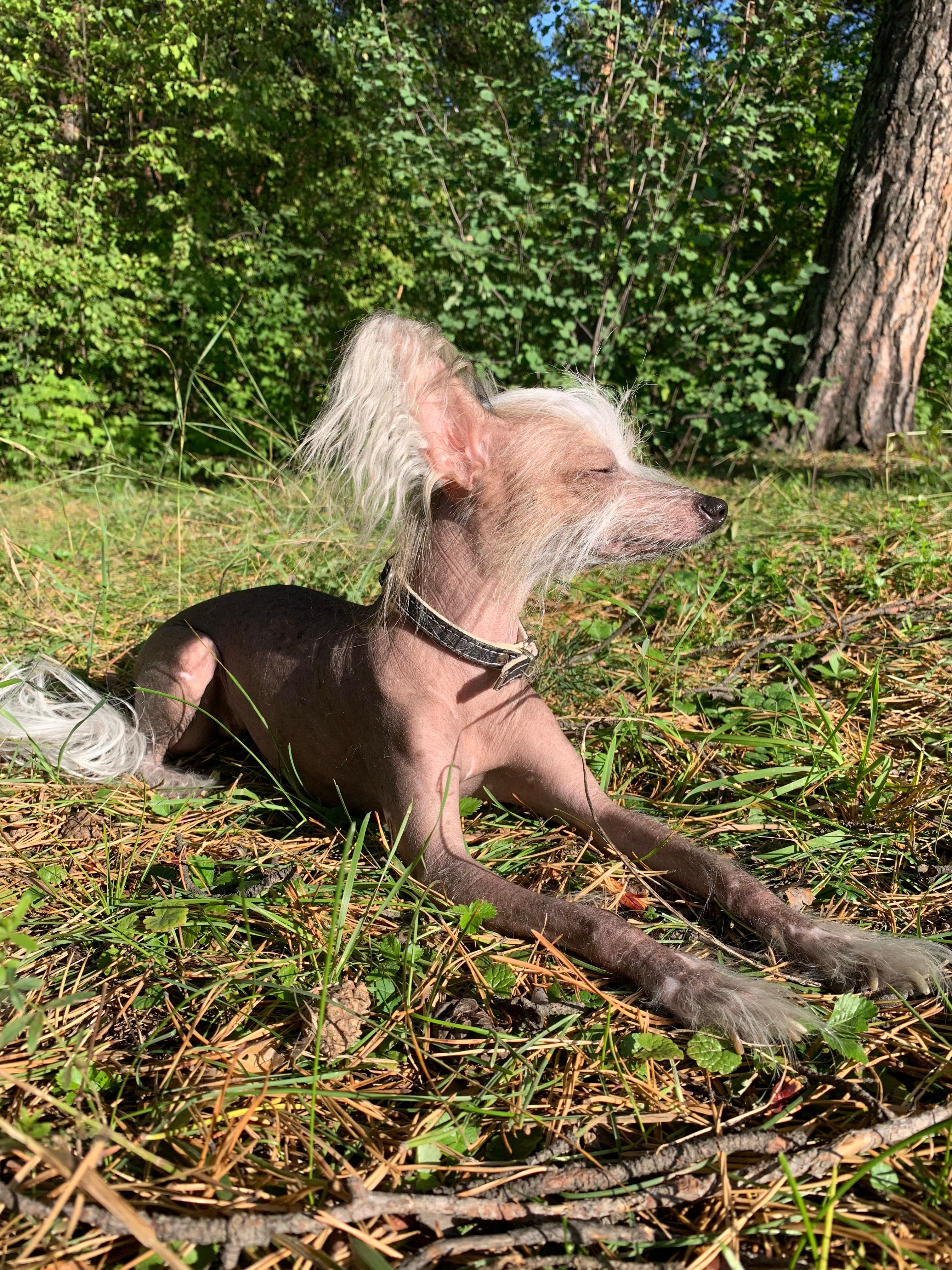
Hairless breeds often surprise people at first, but their dramatic features are a big part of the appeal.
People still take these pets home for the same reason they choose any beloved animal: connection. The unusual look may get attention first, but owners usually stay because of temperament, routine, and attachment. Hairless cats are often described as needy, affectionate, and very people-focused. Many odd-looking dogs are similarly expressive and easy to bond with because their faces seem to communicate so much.
There is also a rescue angle. Animals with unusual appearances are sometimes overlooked by people shopping for a textbook-pretty pet, but they can become deeply loved in homes that appreciate individuality. What looks odd in a photo often becomes charming in real life because movement, warmth, habits, and personality change the whole impression.
Why Imperfection Feels More Lovable
Perfect-looking pets are beautiful, but unusual pets tend to trigger stronger reactions. They make people laugh. They make people curious. They also tend to feel more individual and less generic.
Simple truth: “ugly-cute” is really about personality, recognition, and emotional connection more than appearance alone.
That is why the pets that look different often inspire the strongest loyalty. People stop seeing the unusual face after a while and start seeing only the pet they love. In a way, the “ugly-cute” category says more about human expectations than it does about the animal. The pet did not change. Our perception did.
Common Mistakes People Make
The biggest mistake is treating a weird-looking pet like a trend instead of a long-term companion.
Important: if a breed is famous for being odd-looking, research the health profile before you fall in love with the photos.
- Choosing a pet for novelty instead of temperament and care fit
- Ignoring grooming, skin, dental, or breathing needs
- Assuming funny-looking pets are automatically easy pets
- Copying internet trends without understanding the breed
Who Are These Pets Best For?
Ugly-but-adorable pets are usually best for people who value personality over polish and who are happy to explain their pet to curious strangers on a regular basis.
- You enjoy quirky looks and strong personality
- You are willing to research breed-specific care deeply
- You want a pet that stands out without choosing based only on novelty
Watch This Topic in Video
Prefer a quick visual version of this topic? This video fits naturally with the same ugly-cute pet idea and gives the article a more playful companion piece.
Keep the page educational first and only recommend products that genuinely support comfort, health, and daily care.
More Reading
These posts pair naturally with this guide:
- Exotic Pets in 2026 — unusual animals, beginner fit, and care reality
- The 5 Most Domesticated Cat Breeds — personality, home fit, and cat expectations
- Dog Training Basics — structure, routine, and behavior foundations
- Choosing the Right Food for Your Pet — practical care that matters more than looks
Final Thought
“Ugly” is usually just shorthand for unusual. And in pets, unusual often becomes the exact reason people bond so strongly.
The face that makes someone laugh on day one often becomes the face they cannot imagine living without later. That is not ugly. That is memorable, personal, and deeply lovable.